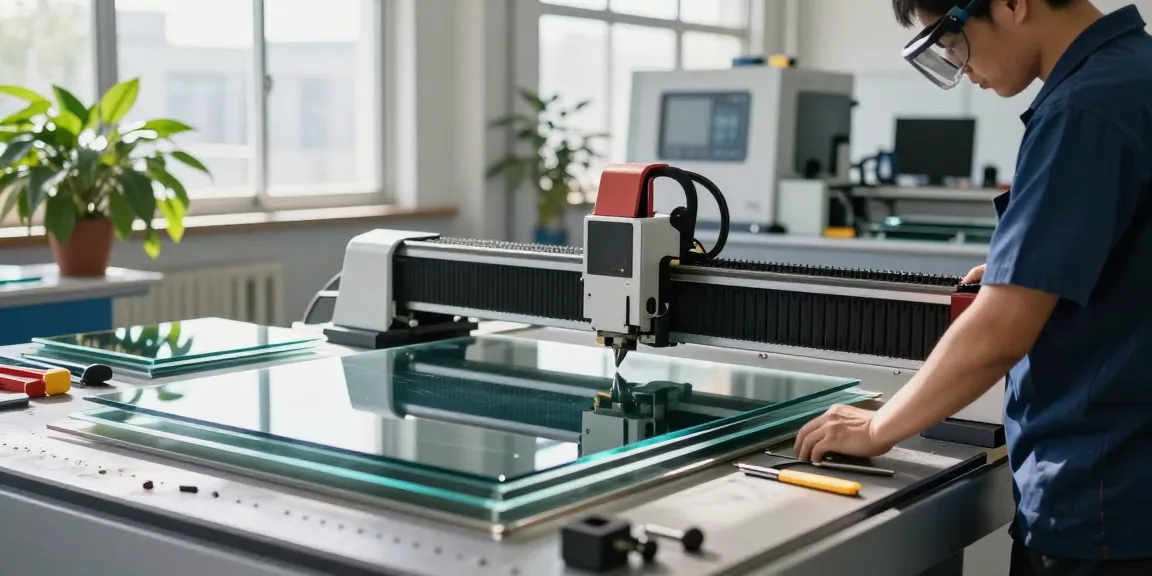
The Importance of Glass Cutting Tables
When it comes to glass processing, the choice of equipment can significantly impact your production efficiency and the quality of your output. A vital piece of equipment in any glass workshop is the glass cutting table. These tables are specifically designed to accommodate the needs of glass cutting, whether for artistic projects, construction purposes, or industrial applications. Investing in a high-quality glass cutting table not only enhances precision during cutting but also streamlines the entire glass processing workflow.
For example, a well-engineered glass cutting table can improve accuracy, minimize waste, and increase the safety of operators, making it an essential tool for manufacturers and artisans alike. Understanding the critical features and benefits of these tables will help you make informed decisions for your business.
Why You Need a Quality Glass Cutting Table
The quality of the glass cutting table plays a critical role in determining how efficiently glass is processed. A well-constructed table provides a firm, stable surface that can handle the weight of large glass panels without warping or bending. High-quality glass cutting tables also feature surfaces designed to absorb shock, reducing the risk of glass breakage during cutting.
Moreover, advanced glass cutting tables often come equipped with features such as adjustable height, integrated laser guides, and alignment systems that enhance accuracy and productivity. Investing in quality equipment not only maximizes output but also extends the lifespan of your machinery by minimizing wear and tear caused by improper handling.
Key Features of an Effective Glass Cutting Table
- Stability: A solid base is essential for preventing movement, ensuring precision in cuts.
- Surface Material: The surface should be durable and capable of withstanding scratches and impacts.
- Size Options: Availability of various sizes allows for different glass panel dimensions.
- Height Adjustability: Facilitates comfortable use for operators of different heights.
- Integrated Technology: Features like laser guides and digital displays for enhanced accuracy.
Comparing Manual vs. Automatic Glass Cutting Tables
When selecting a glass cutting table, one of the main decisions is whether to opt for a manual or an automatic model. Manual tables are generally simpler and less expensive; they require the operator to make precise cuts based on their skill and experience. However, they can be labor-intensive, especially for high-volume production.
In contrast, automatic glass cutting tables are equipped with sophisticated technologies that automate the cutting process. This not only improves accuracy but also significantly boosts productivity by reducing the time required for each cut.
Innovative Technologies in Glass Cutting
The glass processing industry has seen significant advancements in recent years, thanks to the integration of cutting-edge technologies. These innovations have transformed how glass is cut and processed, leading to improvements in both speed and quality.
Latest Advancements in Glass Cutting Machinery
A notable advancement is the incorporation of CNC (Computer Numerical Control) systems into glass cutting machines. CNC technology allows for high precision and consistency in cuts, as machines can be programmed with complex patterns and shapes that would be difficult to achieve manually. This is especially beneficial for large-scale operations that require uniformity across multiple pieces.
Impact of Automation on Production Efficiency
Automation in glass cutting not only increases productivity but also minimizes human error. Automated systems can process multiple glass panels simultaneously, significantly reducing production time. Additionally, these systems often incorporate safety features, such as automatic shut-offs and error detection, which enhance workplace safety and reduce downtime.
Future Trends: Smart Glass Processing Systems
Looking forward, the trend towards smart technology in glass processing is gaining momentum. Smart glass processing systems utilize IoT (Internet of Things) capabilities to monitor and optimize the production line. These systems can collect data on production speeds, machine health, and energy usage, allowing operators to make informed decisions that enhance efficiency and reduce costs.
Choosing the Right Glass Cutting Table for Your Business
Choosing the right glass cutting table involves a careful assessment of your specific business needs. Factors such as the types of glass being processed, the volume of production, and budget considerations will all influence your decision.
Assessing Your Needs: Size and Capacity
Accommodating the size of glass panels is essential when selecting a cutting table. Depending on your production requirements, you may need a larger table that can support oversized panels, whereas smaller operations might benefit from compact models. Ensuring your table meets the size requirements will help facilitate smoother workflows and reduce potential bottlenecks.
Budget as a Factor in Equipment Selection
Budget constraints are a common consideration, and it’s vital to balance cost with quality. While cheaper models may seem appealing, they often lack the durability and features necessary for efficient production. Invest in a quality glass cutting table that meets your operational demands and offers good long-term value.
Importance of Brand Reputation and Support
When purchasing glass cutting tables, consider the manufacturer’s reputation. Established brands often provide better customer service, warranty options, and support, which can be crucial for resolving any issues that may arise after the purchase. Reviewing other customers’ feedback and experiences can also provide insight into the brand’s reliability.
Maintenance Tips for Longevity
Proper maintenance can prolong the life of your glass cutting table, ensuring it remains in peak condition for years to come. Implementing a regular care routine is essential for preventing costly repairs and operational disruptions.
Regular Cleaning and Care Routine
The surface of the glass cutting table should be cleaned regularly to prevent the buildup of dust and debris, which can lead to scratches and affect the quality of cuts. Use non-abrasive cleaners and ensure that the table is dried thoroughly to prevent moisture damage. Regular lubrication of moving parts is also critical to maintaining smooth operation.
Identifying Common Issues and Solutions
Pay attention to any signs of wear, such as uneven surfaces or loosening parts. Addressing issues early can prevent more significant problems down the line. Having a checklist for regular inspections can help maintain the functionality of the equipment.
Maximizing Efficiency Through Proper Usage
Operators should be trained in the correct use of the glass cutting table to maximize efficiency and safety. Understanding the optimal cutting techniques and settings for different types of glass will improve overall productivity while minimizing waste.
Frequently Asked Questions
What are the advantages of using a glass cutting table?
Glass cutting tables offer improved accuracy, enhanced productivity, and increased safety during the glass cutting process.
How much should I expect to invest in a glass cutting table?
The investment can range significantly based on the size, features, and brand of the table. Expect to spend anywhere from a few hundred to several thousand dollars.
Are there specific features to look for in a glass cutting table?
Key features include stability, surface material, size options, height adjustability, and integrated technology such as laser guides.
How do I maintain my glass cutting table for optimal performance?
Regular cleaning, lubrication, and inspections for wear are essential for maintaining performance.
What types of glass can be processed with these machines?
Most glass cutting tables can handle a variety of glass types, including tempered, laminated, and insulated glass.