Understanding Facial Age Estimation Technology
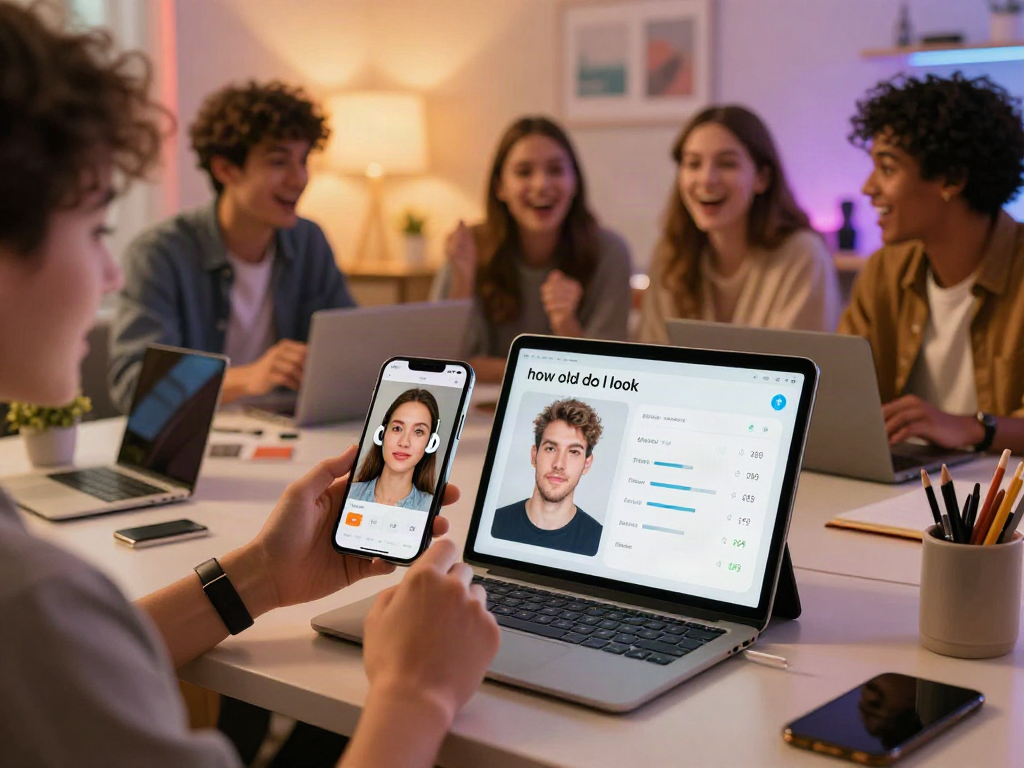
As we navigate through a world increasingly dominated by technology, the ability to estimate age based on facial features has garnered significant attention. This process, known as facial age estimation, uses advanced AI algorithms to predict how old someone appears compared to their actual age. With applications ranging from entertainment to skincare consultations, understanding the underlying technology can help you make informed decisions about utilizing these tools. When exploring options, how old do i look provides comprehensive insights into your perceived facial age.
What is Facial Age Estimation?
Facial age estimation is a branch of artificial intelligence that analyzes facial features to determine an individual's perceived age. Leveraging machine learning and image processing techniques, these tools can evaluate various facial characteristics such as skin texture, wrinkles, and facial symmetry. The principle is based on extensive data sets of images categorized by age, which train the algorithms to recognize patterns associated with specific age groups.
How Do AI Algorithms Work in Age Detection?
At the core of facial age estimation technologies lie sophisticated AI algorithms. These algorithms undergo a training phase where they analyze thousands of annotated images of faces across different ages. Factors such as skin sagging, the presence of age spots, and the definition of facial contours are vital markers that algorithms utilize to predict age. Many of these systems implement deep learning networks, which involve several layers of processing to enhance accuracy, making them capable of producing results that are convincing and often surprising.
Accuracy and Limitations of Age Estimation Tools
While facial age estimation can yield fascinating insights, it is essential to acknowledge its limitations. The accuracy can vary significantly based on several factors, including image quality, lighting conditions, and the subject's ethnicity. Moreover, these tools are designed to provide an estimation of perceived age rather than biological age, which can lead to discrepancies. Users should remain aware that results are meant for entertainment or informal assessment rather than definitive judgments.
How to Use Online Age Estimators Effectively
Using online age estimators can be an entertaining way to engage with your self-image. However, understanding how to leverage these tools effectively can enhance your experience and the results you receive.
Step-by-Step Guide to Uploading Your Photo
To utilize an online tool, follow these straightforward steps:
- Select a reputable age estimation platform: Choose a site known for accuracy and privacy.
- Prepare your photo: Opt for a clear image with good lighting, ideally facing forward to capture all facial features.
- Upload your photo: Follow the on-screen instructions for uploading your image.
- Review the results: Once the analysis is complete, interpret the age estimation provided by the tool.
Interpreting Your Results: What Do They Mean?
Upon receiving your estimated age, it’s crucial to interpret the results within context. Understand that these tools provide an approximation based on facial characteristics rather than an exact science. Emotional reactions can vary, so take the findings as an interesting insight rather than a personal assessment.
Best Practices for Optimal Photo Submission
For the most accurate results, consider the following best practices:
- Ensure your face is well-lit, without harsh shadows.
- Avoid heavy makeup that could distort natural facial features.
- Use a high-resolution image to allow the algorithm to capture finer details.
- Keep a neutral expression, as exaggerated facial expressions can influence the outcome.
Common Misconceptions About Age Estimation
Facial age estimation tools have sparked various misconceptions that can lead to misunderstanding their purpose and functionality.
Can AI Truly Determine Your Age?
AI can estimate perceived age based on facial features, but it cannot definitively determine your biological age. Biological age encompasses various factors such as lifestyle, health, and genetics, which a simple facial analysis cannot consider.
Privacy Concerns: Is Your Data Safe?
Data privacy remains a significant concern with any online tool. Reputable platforms often emphasize user privacy and data protection, yet users should always read the privacy policies to know how their images may be used or stored.
Are Results Consistent Across Different Platforms?
Results can vary across different age estimation tools due to the algorithms and training data used. It’s common for users to receive differing estimates depending on the platform, reinforcing the idea that these tools are not definitive.
Benefits of Knowing Your Estimated Age
While the process might seem trivial, there are several meaningful benefits associated with estimating your facial age.
Enhancing Self-Confidence: The Psychological Impact
Understanding how your perceived age compares to your actual age can influence your self-esteem and body image. Many users report feeling younger or more vibrant after seeing a more favorable estimate than expected.
Understanding Aging: Biological Insights
Engaging with age estimation tools can promote awareness regarding aging and skin care. Users may become more proactive in adopting skin health practices to enhance their appearance based on their perceived age.
Making Informed Skincare and Health Decisions
With insights from these tools, individuals can tailor their skincare routines or health practices more effectively, using age estimates as a baseline for choosing appropriate products and treatments.
Future Trends in Facial Age Estimation Technology
As technology progresses, the field of facial age estimation is poised for exciting advancements.
Advancements in AI Technology for Better Accuracy
Future developments are likely to focus on improving the accuracy of age estimations by training AI systems on more diverse datasets and incorporating biometric data to enhance predictions.
Emerging Uses of Age Estimation Beyond Fun
Beyond entertainment, facial age estimation has potential applications in marketing, where brands could analyze their audience's demographics based on perceived age to tailor campaigns more effectively.
Predictions for 2026 and Beyond
Looking ahead, it can be anticipated that facial age estimation might evolve to include augmented reality features, allowing users to visualize how they might age in real time, thus fostering more engagement and proactive decision-making about skincare and health care.
What is the most accurate way to estimate my age online?
Utilizing platforms that employ reputable AI algorithms with extensive training data often yields the most accurate results. Ensure that the service you choose uses comprehensive datasets and is user-reviewed for reliability.
Are there any free tools to check how old do I look?
Yes, many online platforms provide free age estimation tools. These tools allow users to upload their photos and receive instant feedback without any cost, although premium features may be available.
What factors can affect my age estimation results?
Several elements can influence results, including lighting quality, angle of the photograph, and even facial expression. Additionally, factors like makeup, facial hair, and other physical markers may skew results.
Is facial age estimation accurate for everyone?
No, accuracy can vary significantly depending on individual characteristics such as ethnicity, skin type, and overall health. Some individuals may find that results are more reflective of societal age perceptions rather than personal biological indicators.
How often should I check my perceived age?
There is no set frequency for checking your perceived age; however, occasional engagement can provide interesting insights into how you perceive aging and can inform your skincare and health decisions over time.